
Stapler Circumcision & Frenuloplasty
Specialised evaluation and treatment for phimosis, tight foreskin, recurrent foreskin inflammation and short or tight penile frenulum.
Explore stapler circumcision, understand how the procedure works, learn about frenuloplasty and discover what to expect during recovery.
What Are Circumcision and Frenuloplasty?
Circumcision and frenuloplasty are different procedures that address specific conditions involving the foreskin and frenulum.
What Is Circumcision?
Circumcision is a surgical procedure involving removal of the foreskin, the fold of skin that covers the head of the penis.
It may be recommended for selected medical conditions such as symptomatic phimosis, significant foreskin scarring or recurrent inflammation.
What Is Frenuloplasty?
Frenuloplasty is a procedure to release or lengthen a short or tight frenulum, a small band of tissue on the underside of the penis.
It may help address pulling, discomfort during erections or repeated tearing of the frenulum.
When May Circumcision Be Needed?
Circumcision may be considered when foreskin-related symptoms persist or when a clinical condition makes surgery appropriate.
Phimosis
Difficulty or inability to comfortably retract the foreskin over the glans.
Recurrent Balanitis
Repeated inflammation of the glans, sometimes causing redness, swelling or irritation.
Balanoposthitis
Inflammation affecting both the glans and foreskin.
Foreskin Scarring
Scar tissue that makes foreskin movement difficult or uncomfortable.
Repeated Inflammation
Recurring symptoms that continue despite appropriate medical treatment.
Hygiene Difficulties
Difficulty maintaining comfortable hygiene because of symptomatic foreskin tightness.
Common Signs and Symptoms
Symptoms vary depending on the underlying condition. Common concerns include:
- Difficulty retracting the foreskin.
- Pain or tightness during erections.
- Discomfort during sexual activity.
- Repeated redness or swelling.
- Cracks, cuts or bleeding around the foreskin.
- Discomfort during personal hygiene.
- Repeated frenulum tearing or pulling.
When Should You Seek Medical Attention?
Consult a urologist if tightness, pain, inflammation or repeated tearing is affecting your comfort.
Seek urgent medical attention if:
- The retracted foreskin becomes trapped behind the glans.
- You cannot pass urine.
- There is severe pain or rapidly increasing swelling.
- You develop fever with significant genital inflammation.
A trapped foreskin, known as paraphimosis, requires urgent assessment.
What Is Stapler Circumcision?
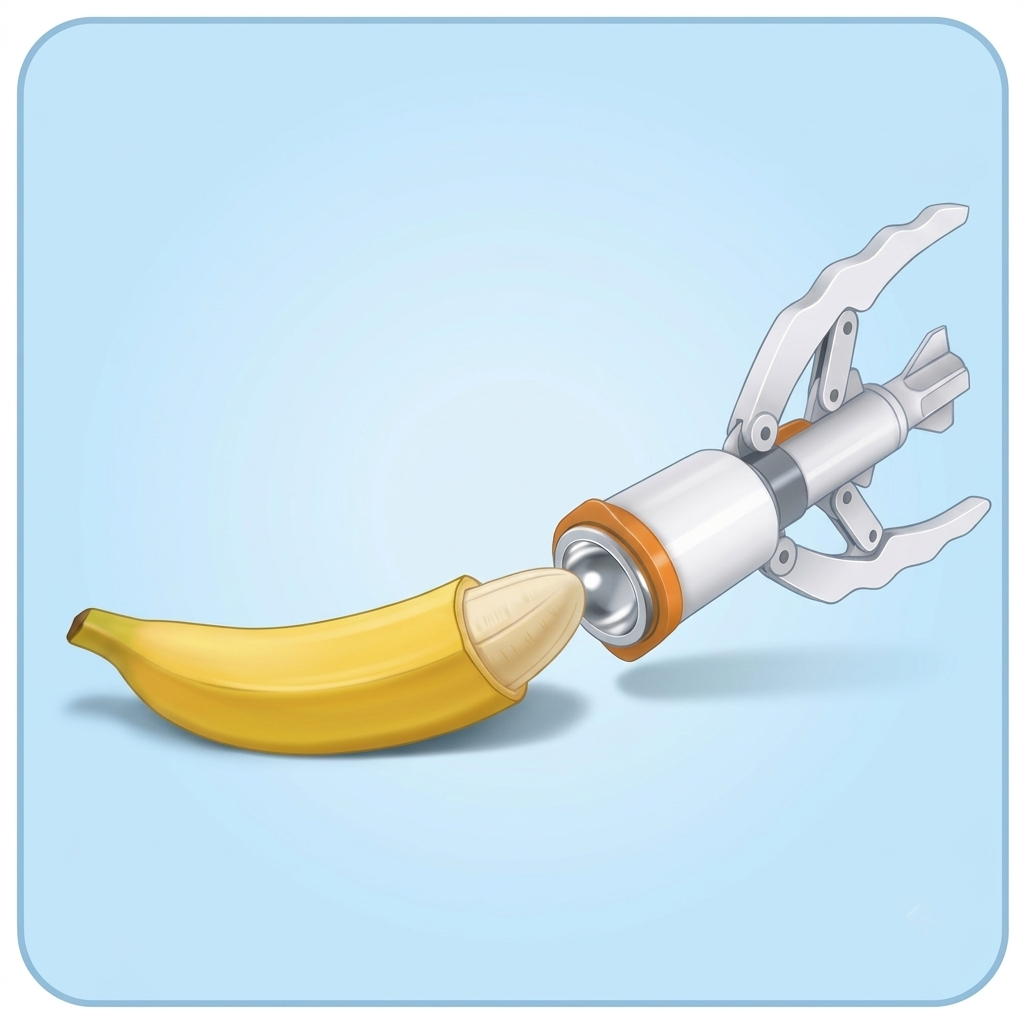
Stapler circumcision is a device-assisted surgical technique in which a specialised circumcision stapler is used to remove the planned foreskin tissue and bring the wound edges together.
How Does the Stapler Device Work?
The procedure uses a purpose-designed circular stapler device. After the patient is prepared and appropriate anaesthesia is given, the surgeon positions the device according to the patient's anatomy and the planned amount of foreskin removal.
The device is activated by the surgeon to remove the selected tissue and approximate the wound edges using small surgical staples. The device and technique are selected according to clinical suitability.
The surgeon checks the operative site and provides postoperative wound-care instructions.
Important to Understand
Stapler circumcision is a surgical procedure, not a non-surgical treatment. It still requires appropriate anaesthesia, surgical assessment, wound care and follow-up.
The device does not make the procedure risk-free. Bleeding, swelling, infection, delayed healing and other complications can still occur.
Steps Involved in Stapler Circumcision
The exact technique and anaesthesia plan are determined by the surgeon after evaluating the patient.
Preoperative Evaluation
Assessment of foreskin tightness, scarring, medical history and suitability for the procedure.
Anaesthesia and Preparation
The appropriate anaesthesia is administered and the surgical area is prepared.
Stapler Device Positioning
The surgeon positions the specialised device according to the patient's anatomy and planned procedure.
Foreskin Removal and Stapling
The device removes the planned foreskin tissue and brings the wound edges together using surgical staples.
Operative Site Assessment
The surgeon checks the surgical area and addresses any bleeding or other immediate concerns.
Aftercare and Follow-Up
The patient receives wound-care advice, activity guidance and a follow-up plan.
Potential Features of Stapler Circumcision
Stapler circumcision uses a specialised device to combine tissue removal and wound-edge approximation in one operative technique.
Device-Assisted Technique
A specialised surgical device is used for the planned foreskin removal and wound approximation.
Wound-Edge Approximation
Small surgical staples bring the wound edges together as part of the technique.
Standardised Device Design
The device is designed specifically for circumcision, with selection based on anatomical suitability.
Planned Tissue Removal
The surgeon assesses the amount of foreskin to be treated before using the device.
Postoperative Monitoring
Follow-up helps assess wound healing and staple-related concerns.
Individual Suitability
Not every patient is suitable. Examination and surgical judgement remain important.
What Is Frenuloplasty?
Frenuloplasty is a procedure to release or lengthen a short or tight frenulum. The frenulum is the small band of tissue beneath the glans that connects it to the foreskin.
A tight frenulum can cause pulling, discomfort during erection, painful sexual activity or repeated tearing.
How Is Frenuloplasty Performed?
- Examination of the frenulum.
- Appropriate anaesthesia.
- Careful release or lengthening of the tight tissue.
- Sutures where required.
- Wound-care and follow-up instructions.
Can Frenuloplasty Be Done Without Circumcision?
Yes. Frenuloplasty generally preserves the foreskin and may be suitable when the problem is isolated to a short or tight frenulum.
If a patient has both phimosis and frenulum tightness, the urologist will assess whether one or more procedures are appropriate.
Stapler Circumcision vs Frenuloplasty
These procedures address different anatomical problems and are not interchangeable.
| Feature | Stapler Circumcision | Frenuloplasty |
|---|---|---|
| Main purpose | Removal of foreskin for selected medical indications. | Release or lengthening of a tight frenulum. |
| Area treated | Foreskin covering the glans. | Frenulum beneath the glans. |
| Foreskin removal | Yes. | Generally no. |
| Technique | Specialised circular stapler device. | Surgical release or lengthening of the frenulum. |
| Common indication | Selected cases of symptomatic phimosis. | Short or tight frenulum causing symptoms. |
| Aftercare | Wound and staple-related care as instructed. | Wound care and follow-up. |
Who May Be Suitable for Stapler Circumcision?
Suitability is decided after a urological examination. The procedure is not appropriate for every foreskin condition.
May Be Considered In Selected Patients With
- Symptomatic phimosis.
- Persistent foreskin tightness requiring surgical treatment.
- Selected cases of recurrent foreskin inflammation.
- Clinical findings where circumcision is an appropriate option.
Careful Assessment Is Important If There Is
- Significant scarring or abnormal skin changes.
- Active infection or severe inflammation.
- Bleeding disorders or relevant medication use.
- Unusual anatomy or other conditions affecting surgical suitability.
Possible Risks and Complications
Stapler circumcision is a surgical procedure. Although a specialised device is used, complications can still occur.
- Pain, swelling or bruising.
- Bleeding or blood collection.
- Wound infection.
- Delayed wound healing.
- Staple retention or delayed staple separation.
- Wound-edge separation.
- Scarring or cosmetic concerns.
- Changes in penile sensation.
- Rare injury to nearby structures.
Discuss Your Individual Risk
Your surgeon should explain the potential benefits, risks, alternative treatments and expected recovery before surgery.
Inform your doctor about diabetes, allergies, bleeding disorders, medicines and previous operations.
Never stop prescribed blood-thinning medication without medical advice.
Recovery After Stapler Circumcision
Recovery varies according to individual healing, the procedure and any underlying medical conditions.
First Few Days
- Mild pain or swelling may occur.
- Follow prescribed pain relief.
- Keep the area clean as instructed.
- Use dressings as advised.
During Healing
- Follow instructions about staple care.
- Do not pull or remove staples yourself.
- Avoid friction and strenuous activity.
- Attend scheduled follow-up.
Return to Activities
- Return to work when comfortable and advised.
- Avoid strenuous exercise until cleared.
- Avoid sexual activity until the wound has healed.
- Follow your surgeon's instructions.
Important Stapler Circumcision Aftercare
Do not pull, pick or attempt to remove staples yourself. Follow your surgeon's advice about staple separation or removal, wound cleaning and follow-up.
Do not resume sexual activity or masturbation until healing is adequate and your surgeon confirms it is safe.
When Should You Contact Your Doctor?
Contact Your Surgical Team If You Notice
- Increasing redness or swelling.
- Worsening pain.
- Discharge, pus or unpleasant smell.
- Wound edges separating.
- Staples causing persistent irritation.
- Concerns about wound healing.
Seek Urgent Medical Attention For
- Heavy or uncontrolled bleeding.
- Inability to pass urine.
- Severe or rapidly worsening pain and swelling.
- Fever with significant infection symptoms.

Why Consult Dr. Vineet Malhotra?
Dr. Vineet Malhotra is a urologist and andrologist with experience in men's urological health, surgical care and conditions affecting the male reproductive and urinary systems.
Consultation focuses on understanding the patient's symptoms, identifying the underlying condition and discussing suitable treatment options.
Qualifications
M.B.B.S., M.S., D.N.B. (Urology)
Clinical interests include urology, andrology, male sexual health, microsurgery and endourological procedures.
From Consultation to Recovery
Understand the stages of evaluation, treatment planning and follow-up.
Initial Consultation
Discuss symptoms, concerns and medical history.
Clinical Examination
Assessment of foreskin tightness, frenulum and related findings.
Treatment Discussion
Understand medical treatment, stapler circumcision, frenuloplasty or other suitable options.
Preoperative Assessment
Complete any recommended investigations and receive procedure instructions.
Procedure and Aftercare
Understand the operation, wound care and recovery instructions.
Follow-Up
Attend follow-up to assess healing and discuss returning to normal activities.
Frequently Asked Questions
Answers to common questions about stapler circumcision, phimosis, frenuloplasty and recovery.
1. What is stapler circumcision?
Stapler circumcision is a device-assisted surgical procedure that uses a specialised circular stapler to remove the planned foreskin tissue and bring the wound edges together using small surgical staples.
2. How does a circumcision stapler work?
The surgeon positions a specialised device according to the patient's anatomy. When activated, it removes the planned foreskin tissue and approximates the wound edges using surgical staples.
3. Is stapler circumcision suitable for everyone?
No. Suitability depends on anatomy, foreskin condition, scarring, inflammation and other clinical factors. A urological examination is necessary.
4. Is stapler circumcision a painless procedure?
Anaesthesia is used to manage pain during surgery. Some pain, swelling or discomfort may occur during recovery.
5. Does stapler circumcision use stitches?
The device generally uses small surgical staples to approximate the wound edges. Additional wound management may depend on the operative findings and surgeon's technique.
6. Do the staples need to be removed?
Staple management depends on the device used and the surgeon's instructions. Some staples separate or fall away during healing, while others may need assessment or removal. Never remove them yourself.
7. Is stapler circumcision better than conventional circumcision?
Each technique has its own considerations. The most appropriate approach depends on the patient's anatomy, condition, surgical suitability and the surgeon's assessment.
8. Can phimosis be treated without surgery?
Some selected cases may respond to prescribed topical medication and appropriate care. Persistent symptomatic or scar-related phimosis may require surgical treatment.
9. What is frenuloplasty?
Frenuloplasty is a procedure that releases or lengthens a short or tight frenulum beneath the glans.
10. Can frenuloplasty be performed without circumcision?
Yes. Frenuloplasty generally preserves the foreskin and may be suitable when the problem is limited to a tight frenulum.
11. Can circumcision and frenuloplasty be performed together?
In selected patients, both may be considered if the examination shows separate problems involving the foreskin and frenulum. The surgeon decides the appropriate plan.
12. Does circumcision affect sexual performance?
Circumcision is not a treatment for erectile dysfunction or premature ejaculation. Individual experiences of sensation and sexual comfort can vary.
13. Can a tight frenulum cause pain during sex?
Yes. A short frenulum can create tension during erection or sexual activity and may cause discomfort or tearing.
14. How long does recovery take?
Recovery varies between individuals. Your surgeon will guide you about wound care, activity restrictions, staple management and follow-up.
15. When can I resume sexual activity?
Avoid sexual activity until the wound has healed adequately and your surgeon confirms it is safe.
16. What are the possible complications of stapler circumcision?
Possible complications include bleeding, swelling, infection, delayed healing, staple retention, wound separation, scarring and changes in sensation.
17. Can recurrent balanitis require circumcision?
Some patients with recurrent balanitis may be considered for circumcision, but the underlying cause should first be evaluated and treated where possible.
18. How do I know which procedure is right for me?
A urologist needs to examine the foreskin and frenulum, understand your symptoms and review your medical history before recommending treatment.
Considering Stapler Circumcision or Frenuloplasty?
Get a professional evaluation for phimosis, tight foreskin, recurrent inflammation or short frenulum. Understand your diagnosis and discuss suitable treatment options.
Consultation at VNA Hospital, New Delhi
For consultation and evaluation of phimosis, foreskin tightness, circumcision and frenulum conditions.
VNA Hospital
1, Navjeevan Vihar, Geetanjali Enclave,
Malviya Nagar, New Delhi, Delhi – 110017
Medical Disclaimer: This page is intended for general educational purposes and does not replace an in-person medical consultation. Stapler circumcision and frenuloplasty are surgical procedures with potential risks. Treatment recommendations, suitability, risks and recovery vary between individuals. Consult a qualified urologist for personalised medical advice.