
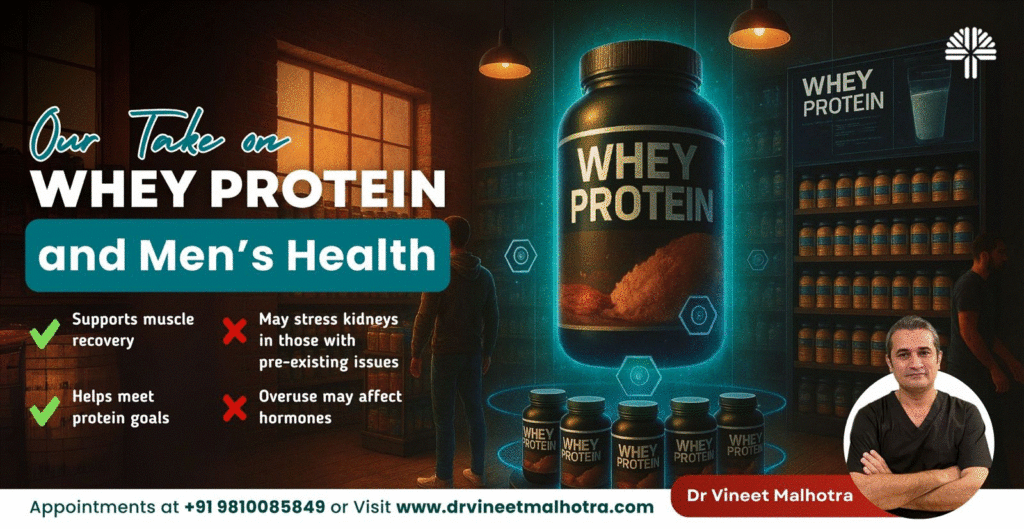
By Dr. Vineet Malhotra, Senior Urologist | Sexologist | Andrologist & Male Infertility Treatment Expert
Walk into any gym today and you’ll likely spot someone shaking up a bottle of whey protein. For many fitness-conscious men, it has become almost a ritual — one scoop after lifting weights or running miles. Advertisements make it sound like the magic key to muscles, stamina, and even confidence.
But here’s the real question: is whey protein truly a boost for your health, or can it become a burden if misused?
As a urologist and andrologist, I meet many young men who proudly say, “Doctor, I take two scoops every day,” while others walk in worried: “Is whey harming my kidneys? Will it affect my testosterone?” Let’s dig into the facts, strip away the myths, and understand how whey protein really fits into your health journey.
The Benefits of Whey Protein
Muscle Recovery That Works
When you exercise, your muscles undergo tiny tears that need repair. Whey protein is rich in branched-chain amino acids (BCAAs), particularly leucine, which directly supports this recovery. For example, a college student who cycles daily for fitness may find his soreness reduces faster when he adds a post-workout whey shake.
Convenience in a Busy Lifestyle
Let’s face it: not everyone has the time to prepare protein-rich meals three times a day. For a working professional rushing from office to late-night calls, a quick whey protein smoothie with milk and banana can bridge the gap between poor snacking choices and balanced nutrition.
Helps with Weight Management
Protein has a natural appetite-controlling effect. A man trying to cut down belly fat might replace his evening fried snack with a whey shake. This keeps him full, reduces cravings, and indirectly supports fat loss without extreme dieting.
Nutritional Support for Vegetarians
In India especially, many men follow vegetarian diets that lack complete proteins. Whey fills this gap effectively and can prevent long-term deficiencies that affect muscle mass, energy, and even fertility.
The Risks and Misuses
Kidney Concerns Are Real — But Conditional
One of the biggest fears I hear is: “Doctor, my gym trainer said whey will ruin my kidneys.” The truth? If you are a healthy individual, moderate whey intake is safe. But if you already have kidney disease, diabetes with kidney damage, or reduced kidney function, high-protein diets can strain your kidneys further. I once treated a 40-year-old diabetic who was unknowingly damaging his kidneys with daily whey shakes. That’s where professional advice matters.
Overuse Can Backfire on Hormones
The “more is better” mindset is dangerous. I’ve seen young men replacing breakfast, lunch, and snacks with whey shakes. This kind of imbalance may reduce natural testosterone levels over time, especially if combined with poor sleep or steroid misuse. Remember — whey is a supplement, not a substitute for food.
Digestive Upset and Lactose Intolerance
Not everyone’s stomach is built for whey. Some patients complain of bloating, gas, or discomfort. In such cases, I advise switching to whey isolate (which has less lactose) or even trying plant-based protein powders like pea or soy. The goal is to find what works best for your body, not blindly follow trends.
Common Myths About Whey Protein
Myth 1: Whey protein builds muscles on its own.
Truth: Muscles are built through consistent strength training. Whey simply provides raw material for repair.
Myth 2: More whey means faster results.
Truth: Your body can only process so much protein at a time. The rest is either wasted or puts unnecessary load on your system.
Myth 3: Whey protein damages fertility.
Truth: Whey protein in moderation does not harm sperm count or testosterone. In fact, adequate protein intake is vital for reproductive health. Problems arise only when whey is overused or paired with unsafe anabolic substances.
Practical Tips for Safe Whey Protein Use
- Stick to moderation: 1 scoop (20–25 g protein) is enough for most men after workouts.
- Check your health status: If you have diabetes, kidney disease, or liver issues, consult your doctor first.
- Balance with natural foods: Eggs, lentils, paneer, chicken, and nuts should remain the foundation of your protein intake.
- Choose quality brands: Go for trusted supplements with third-party testing to avoid adulteration.
- Listen to your body: If you feel bloated, sluggish, or unwell, reduce intake and consult an expert.
The Bottom Line
Whey protein is neither a miracle powder nor a silent poison. It is a tool — useful when used wisely, harmful when abused. Think of it as an add-on to your lifestyle, not a replacement for healthy eating.
If you are healthy, active, and mindful of your diet, whey can support your fitness journey. But if you already have underlying health issues, always seek medical guidance before making it a daily habit.
In short: whey protein is a boost, not a burden — but only when used with moderation, balance, and expert advice.